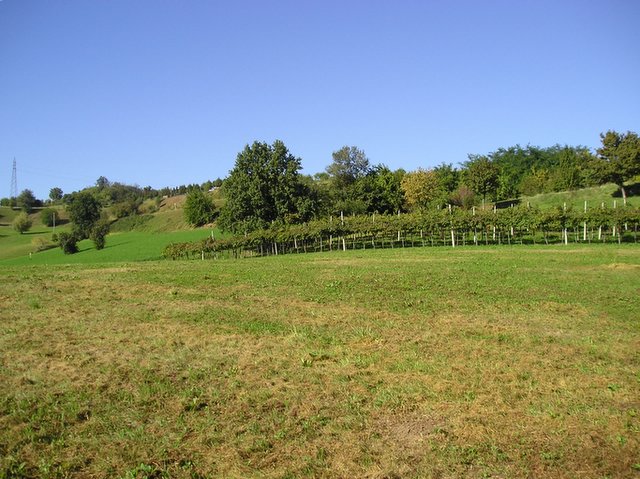
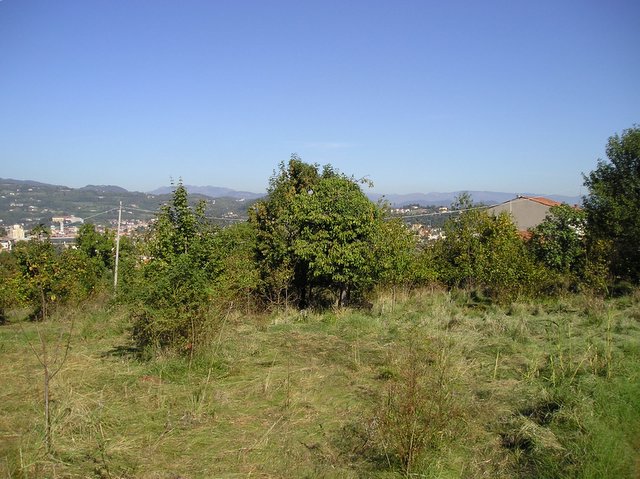
La dorsale dei colli che separa le valli del Chiampo e dell'Alpone scende dolcemente e raggiunge la piana nell'area tra i comuni di Montebello, Montorso e Arzignano. Ad Arzignano è la collina di San Marcello il trait d'union tra la pianura e la dorsale. Nella parte più bassa, prossima al torrente Chiampo, si passa bruscamente dalla statale trafficatissima con la zona industriale all'area agricola collinare.

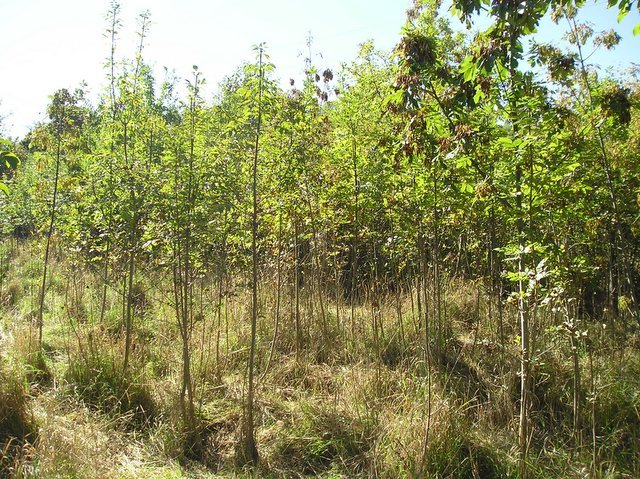
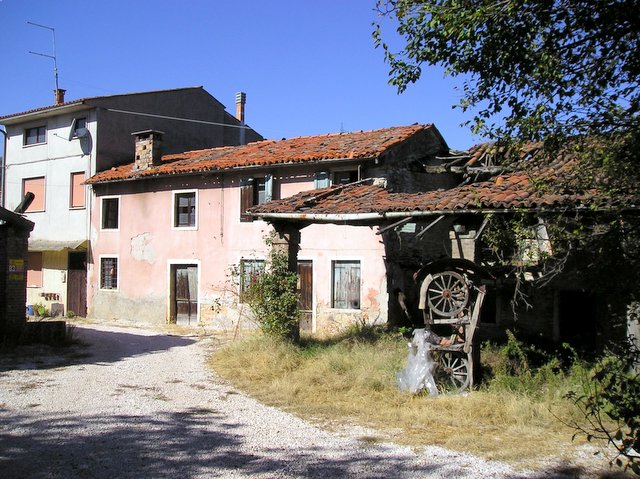
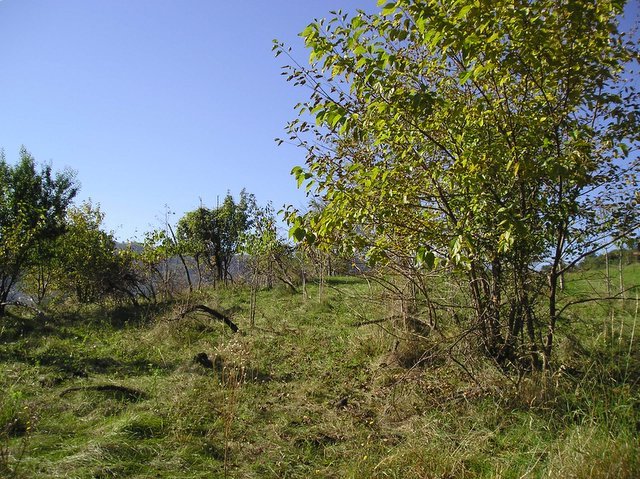
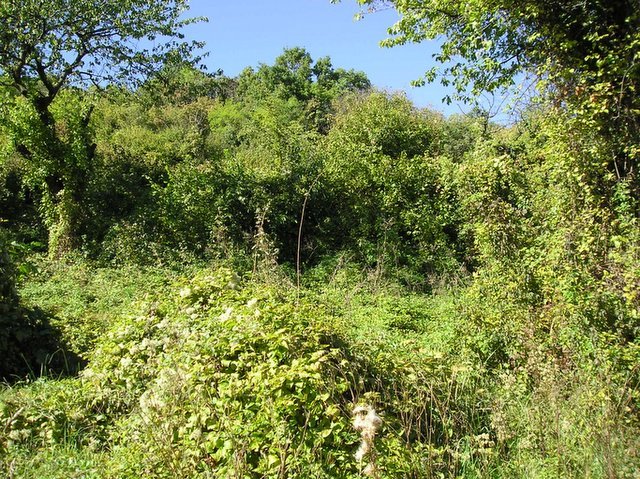
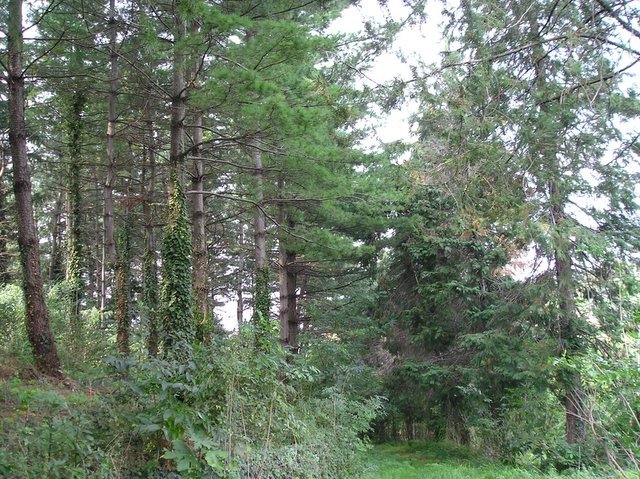
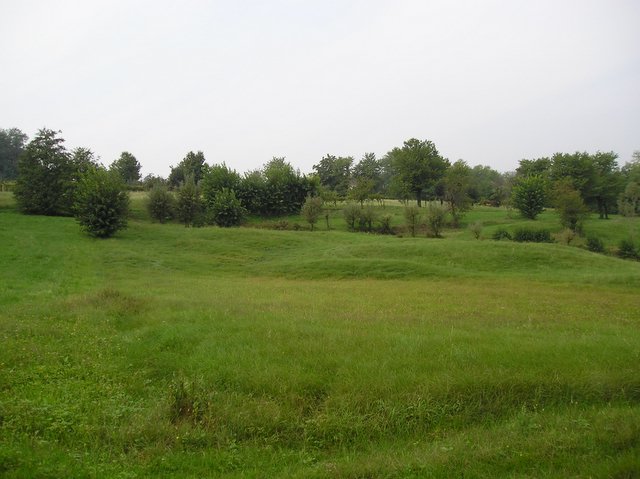
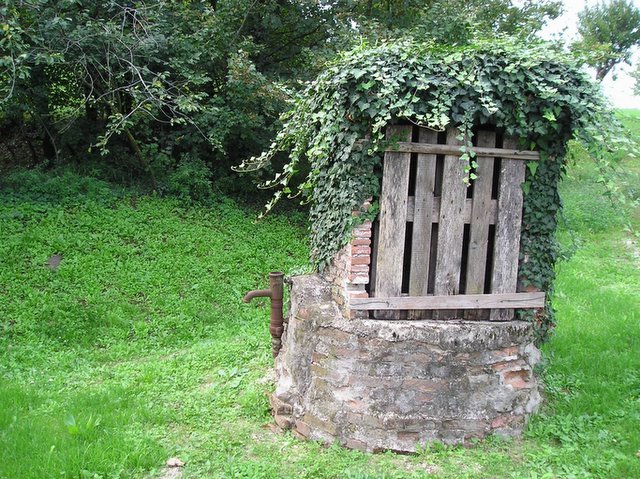
Contrà Massignani è abbandonata e i prati sono stati invasi dall'orniello: presto l'acero frassineto si trasformera in un bosco rigoglioso. Anche alcuni vigneti sono stati abbandonati e le aree incolte si sono rapidamente arborate. Se l'area continuerà ad essere lasciata a se stessa tra pochi anni sarà completamente coperta da bosco. Nei pressi della contrada vi sono molti rifiuti abbandonati, anche lattine di olio d'automobile sparse.


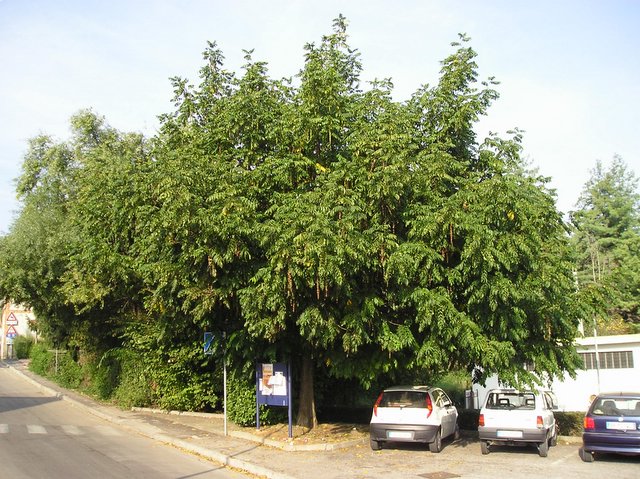
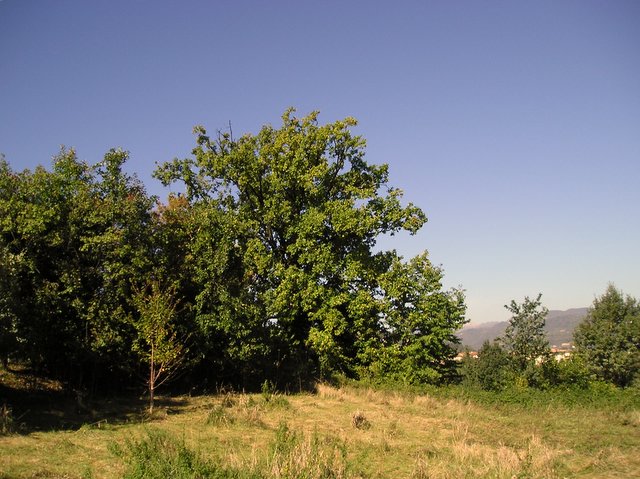
Uno splendido esemplare di Farnia (
Quercus robur ) segna il confine tra le proprietà.
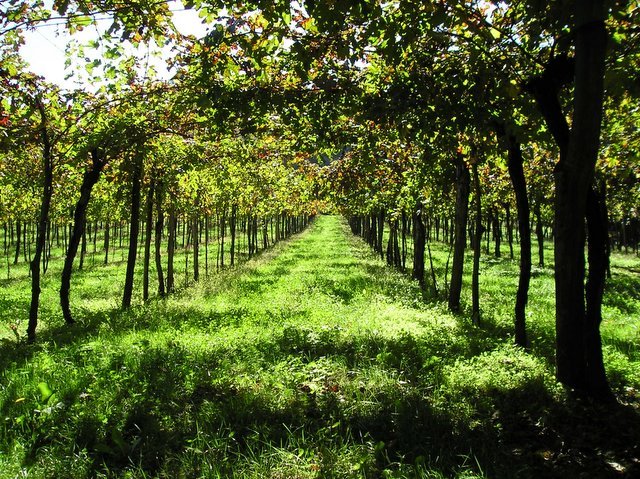
 Dove l'uomo non ha rinunciato a coltivare la terra, si trovano splendide vigne e prati ricchi di buon foraggio. Il substrato di origine vulcanica in alcuni punti emerges in this environment and the chestnuts are also a suitable environment. Too bad that the air is stifling here today: the stench of the tanneries, which makes it less valuable to the landscape here is really beautiful.

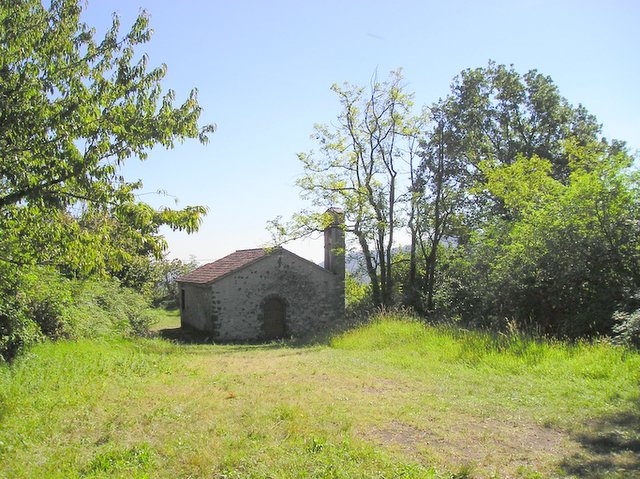
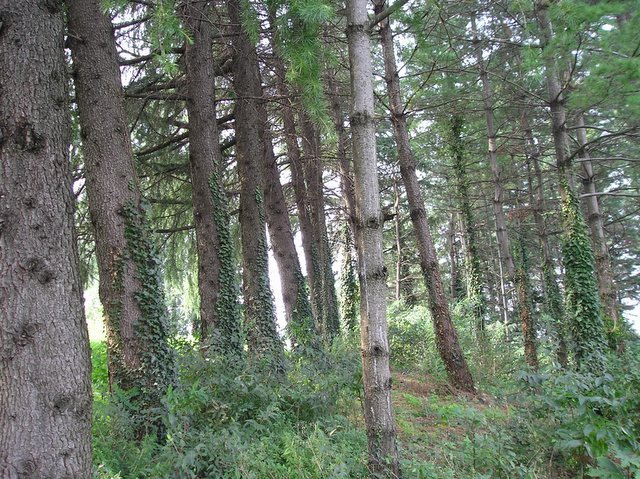
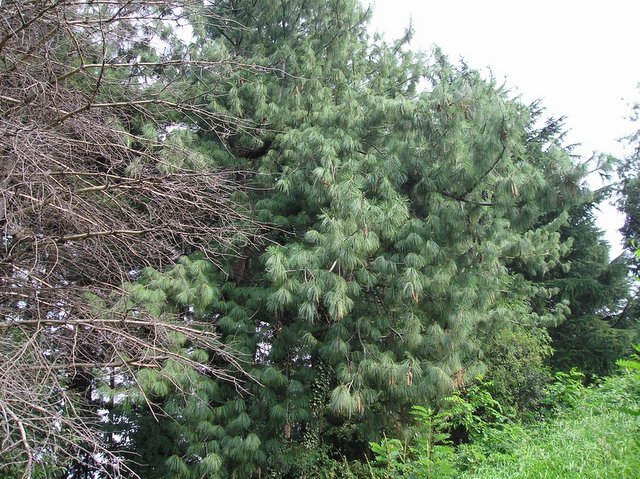
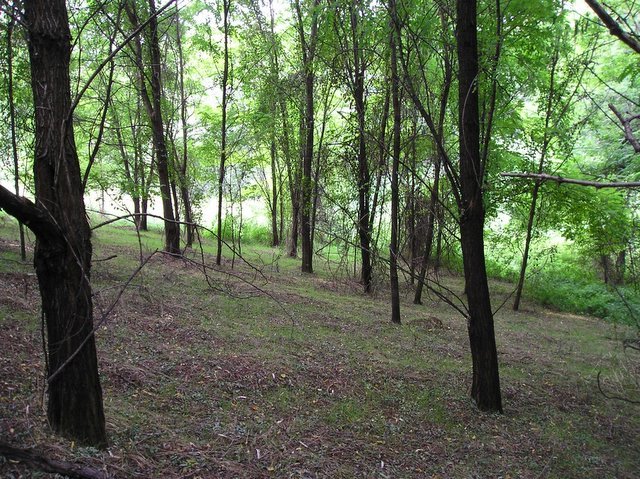
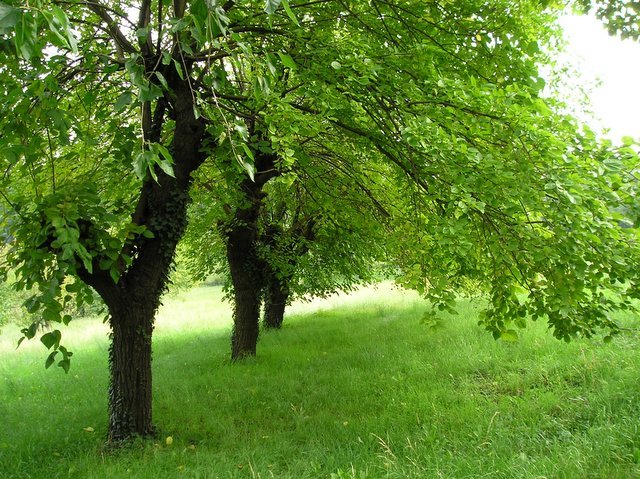
 climb higher encounter on the border between the towns of Arzignano Montorso and the church of San Marcello (XV-XVI). It is already on the territory of Montorso and is owned by the parish of Montorso. The church is visited each year by a pilgrimage from the plain below, and warm celebration. Although not far from the main road and residential area, offers good insulation, wrapped the forest dominated by black locust, accompagnata da orniello, farnia, acero campestre, gelso, pioppo, biancospino, corniolo, roverella, nocciolo e qualche ciliegio residuo. Meta di solitarie passeggiate e purtroppo anche di qualche gesto vandalico: i vedri di una finestra sono stati rotti e nei dintorni vi sono immondizie sparse a testimoniare la cattiva educazione dei soliti ignoti.


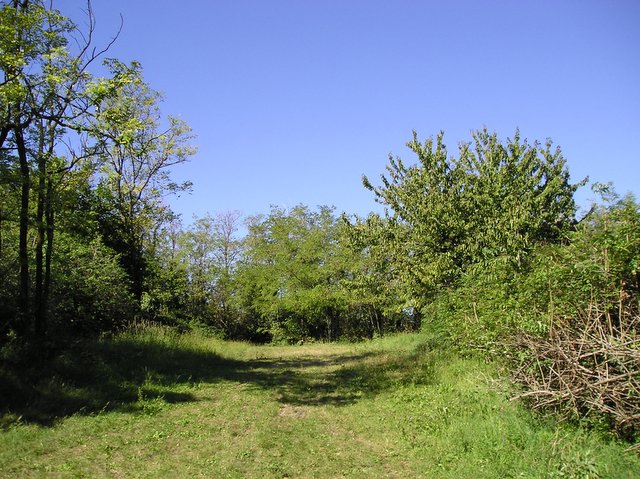
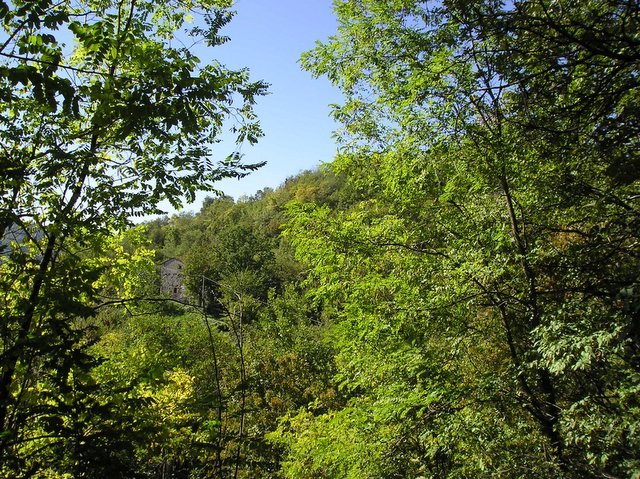
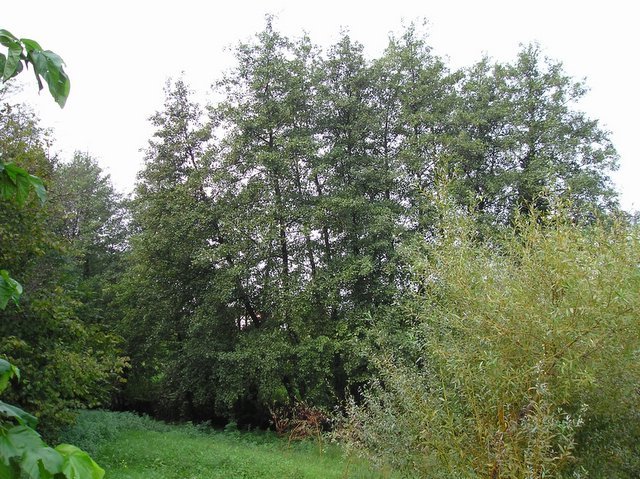
Ad Ovest della chiesetta di San Marcello riprende il bosco che si fa più consistente e rigoglioso, salendo e infittendosi rapidamente. Anche qui si nota come l'abbandono dei campi è stato presto seguito dall'allargamento del bosco. Guardando la mappa appare evidente che la dorsale collinare is a cornerstone of communication between the naturalized areas of the valley and the ridge is close to the river Chiampo, another "ecological corridor" important, in two places: at the Parc des Sports here, across the hill of San Marco and pears down the valley of the river undisturbed until Chiampo, with a small perennial stream, surrounded by the most typical species of the wetlands: black alder and willow. It would be important to preserve these areas remaining intact, very important to wildlife. The same white road that connects via Costa Montorso with, and should remain so limited traffic because it cuts through the connecting corridor between the plains and hills and is frequented by many small animals that would suffer from increased traffic (sea urchin, frog, slow worm, salamander, various beetles, in quet'area very often ...).